Stormwater is water from rain that runs off and is collected from all hard surfaces including roads and pavements. It’s managed by Warrnambool City Council. The stormwater is directed through a network of underground pipes and drains, eventually ending up in waterways. As it moves along, the water collects oils, heavy metals, litter and other pollutants which can enter the waterways and cause harm to the natural environment. By using Water Sensitive Urban Design principles, stormwater can be treated, removing a lot of the pollutants before it enters waterways. These design features are great assets for the city as they can also slow down the speed of the water and reduce the damage that flashy flows can do to waterways.
Lake Pertobe has three main stormwater outlets which cover the central business district and neighbouring residential areas. To treat stormwater, each outlet includes a Gross Pollutant Trap which captures some of the rubbish. Further up the catchment, rain gardens are used to filter water before it enters underground pipes.
Stormwater leaves Lake Pertobe through a one-way pipe and flows into the Merri River, before entering the Merri Marine Sanctuary (Stingray Bay) and then the ocean. Council has worked with several stakeholders on an Integrated Water Management (IWM) plan that provides options to improve the quality of stormwater entering Lake Pertobe.
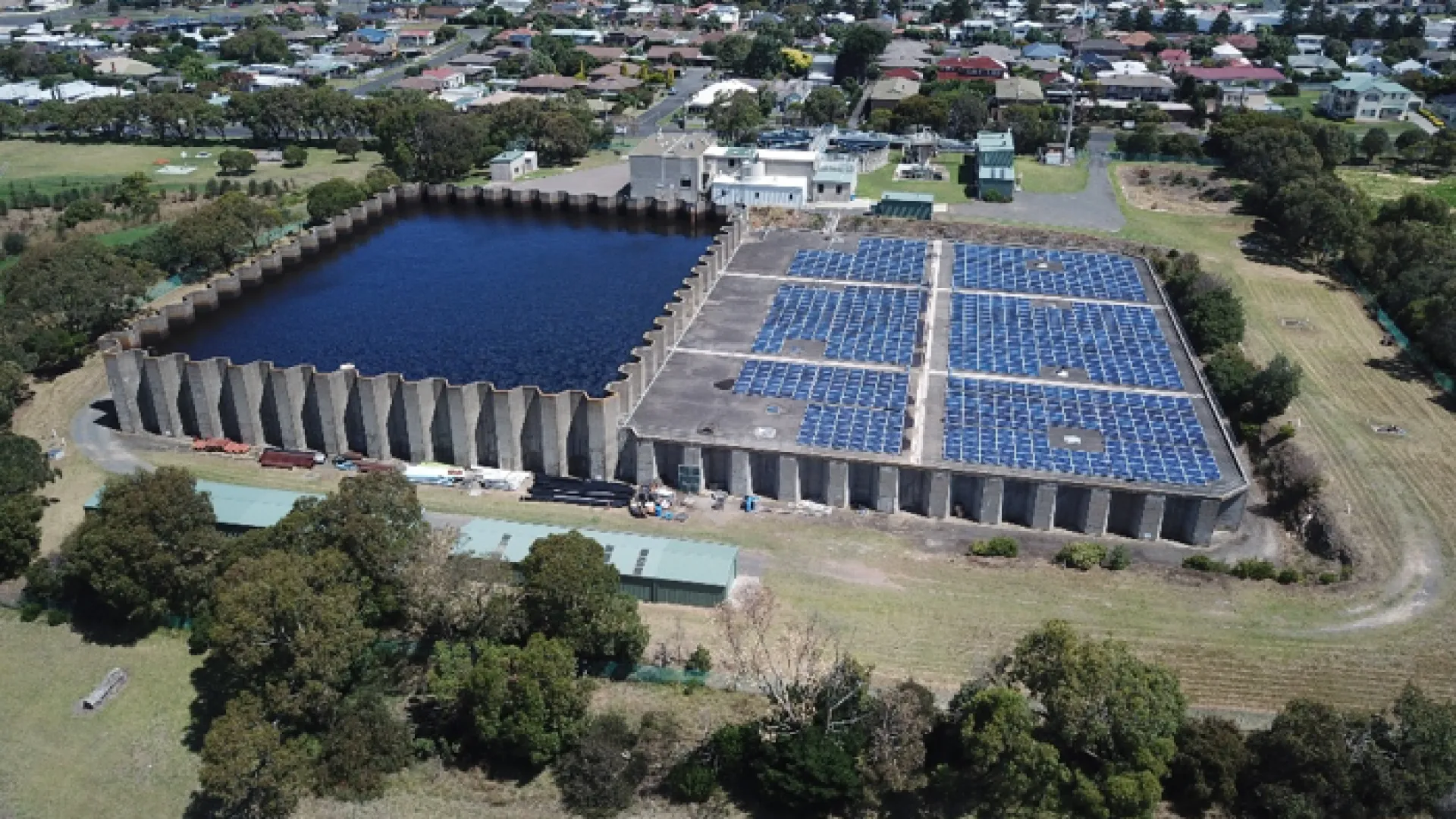
In some areas of Warrnambool, Wannon Water uses an innovative roofwater harvesting (RWH) system to collect rain that has fallen on roofs (not roads or pavements as stormwater does). The water is collected using a dedicated pipe network and sent to the city’s raw water storage basin where it mixes with water from the Gellibrand River in the Otway Ranges. This water is then sent to the water treatment plant where it’s disinfected. The drinking water is then distributed to Warrnambool, Allansford and Koroit.
The RWH system offsets water that would otherwise have to be pumped more than 100 kilometres from the Gellibrand River, which is a sensitive waterway. It also reduces the stormwater load, preventing excess water entering and potentially damaging local waterways.
Links (further information)
https://www.epa.vic.gov.au/stormwater
Partnership Organisation
Wannon Water
Environment Protection Authority Victoria